The Event: Pioneering Direct-to-Distribution Water Reuse
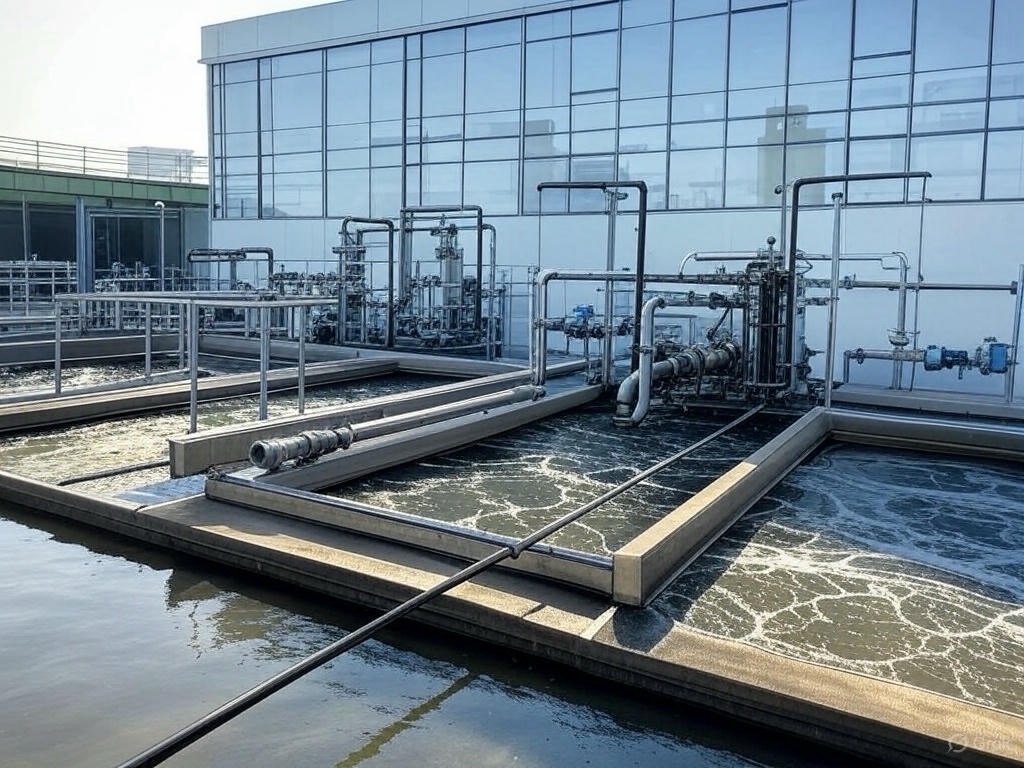
On February 27, 2025, El Paso Water broke ground on a groundbreaking project: the nation’s first direct-to-distribution advanced water purification facility. This state-of-the-art plant, set to begin operations by 2027, will purify up to 10 million gallons of wastewater daily, transforming it into drinking water that flows straight into the city’s distribution system—no environmental buffer like a river or aquifer required. Posts on X from @WFM_Journal celebrated this as a “game-changer” for water-scarce regions, and as of today, March 11, 2025, the event is generating buzz among water professionals worldwide. Located in a desert region prone to drought, El Paso’s initiative showcases how innovation can turn wastewater into a reliable resource, setting a precedent for arid cities everywhere.
This milestone aligns with a growing global push for water reuse. The UN reports that only 11% of the world’s treated wastewater is currently reused, yet the potential is vast—320 billion cubic meters annually, per UNEP. El Paso’s facility, funded in part by $20 million from the Texas Water Development Board and federal grants, reflects a proactive response to climate change and population growth, ensuring a sustainable water future for its 700,000 residents.
The Problem: Water Scarcity Meets Opportunity
El Paso sits in a region where annual rainfall averages just 8-9 inches, and groundwater reserves, like the Hueco Bolson aquifer, are depleting faster than they recharge—down 1-2 feet yearly, per the U.S. Geological Survey. Historically, the city has relied on a mix of groundwater (40%), surface water from the Rio Grande (40%), and desalination (20%). But with Texas facing a projected 18% water supply drop by 2070 (Texas Water Development Board), traditional sources aren’t enough. Wastewater, once a liability, is now a lifeline: El Paso generates 30 million gallons daily, and this facility will reclaim a third of that for potable use.
Globally, water scarcity affects 2.3 billion people (UN-Water, 2023), and untreated wastewater exacerbates the issue by polluting rivers and oceans. In the U.S., the EPA estimates that 34 billion gallons of wastewater are discharged daily, with only 10% reused. El Paso’s direct potable reuse (DPR) approach tackles both scarcity and waste, offering a model that could slash freshwater demand and reduce environmental harm.
A Solution: Scaling Direct Potable Reuse with Community Buy-In
El Paso’s facility uses advanced treatment—reverse osmosis, UV disinfection, and activated carbon filtration—to meet stringent drinking water standards, a process proven safe in pilot projects like California’s Pure Water San Diego. But technology alone isn’t the full solution. To amplify this success and replicate it elsewhere, we need a dual strategy: expand DPR infrastructure and build public trust through education and transparency. Here’s how, with data to back it up:
- Infrastructure Expansion: The El Paso plant costs $150 million, a hefty but worthwhile investment. The EPA notes that every $1 spent on water infrastructure generates $6 in economic returns. Scaling DPR to other cities—like Phoenix or Las Vegas, which face similar arid challenges—could leverage existing wastewater flows. For instance, Phoenix discards 200 million gallons daily; a 10% DPR recovery could yield 20 million gallons, easing pressure on the Colorado River, which lost 20% of its flow since 2000 (Bureau of Reclamation).
- Treatment Standards: The facility’s multi-barrier approach removes 99.9% of contaminants, exceeding EPA and WHO guidelines. California’s Title 22 regulations, a gold standard for reuse, show DPR water often surpasses bottled water quality. Scaling this requires standardized national guidelines—something the U.S. lacks but could adopt from Australia, where DPR supports 30% of Perth’s supply.
- Public Acceptance: Surveys by the Water Research Foundation (2023) found 70% of Americans support reuse once educated about safety. El Paso’s outreach—tours, taste tests, and school programs—has lifted approval from 50% to 85% locally since 2018. A national campaign, funded by $50 million from the 2021 Infrastructure Act, could replicate this, targeting 100 drought-prone cities by 2030.
- Economic and Environmental Gains: DPR cuts energy use by 30% compared to desalination (National Water Research Institute), saving 1.5 kWh per 1,000 gallons. If 10% of U.S. wastewater were reused this way, it could save 12 billion kWh annually—enough to power 1 million homes—while reducing river pollution by 3.4 billion gallons daily.
Moving Forward: A Blueprint for a Thirsty World
El Paso’s groundbreaking on February 27, 2025, isn’t just a local win—it’s a global beacon. With 40% of the world’s population facing water stress by 2030 (UN-Water), DPR offers a scalable, sustainable fix. The U.S. could lead, targeting 20% wastewater reuse by 2040, up from 10%, using El Paso as a template. Utilities should partner with schools and media to demystify “toilet-to-tap,” while governments incentivize DPR with tax credits—$5,000 per million gallons treated, say—drawing from the $55 billion water funding pool in the 2021 Infrastructure Act.
This is more than a plant; it’s proof that wastewater isn’t waste—it’s water waiting to be reclaimed. El Paso’s bold step shows that with technology, trust, and tenacity, we can quench a parched planet. Let’s build on this positivity and make reuse the norm, not the exception.
 Water Solutions You Can Trust
Leave a comment